Many exhibitors meet their closest friends through showing horses. But, when those friends become regular competition, it can be difficult to protect the relationship from jealousy, pressure, and disappointment.
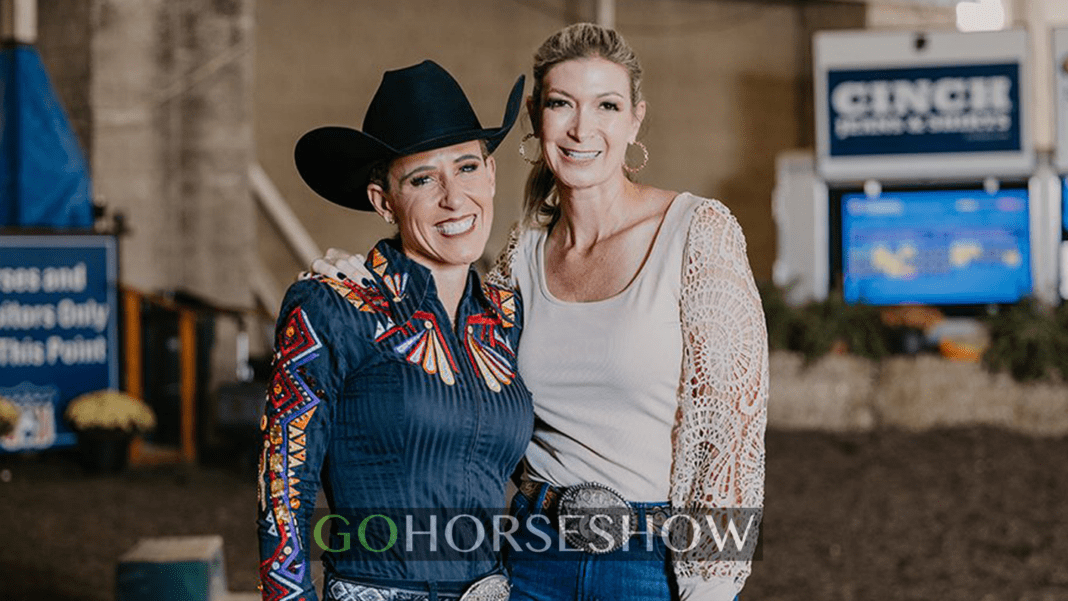
Multiple World and Congress champion trainers, multi-carded Judges, and longtime friends Carly Parks and Sara Simons understand that tension firsthand. Their friendship began as a rivalry in the APHA youth ranks and continued as they moved into amateur and then professional lives.
“I met Carly toward the end of my APHA youth career,” Simons recalls. “We were both gunning for the year-end highpoint award. She was from the north, and I was from the south.”
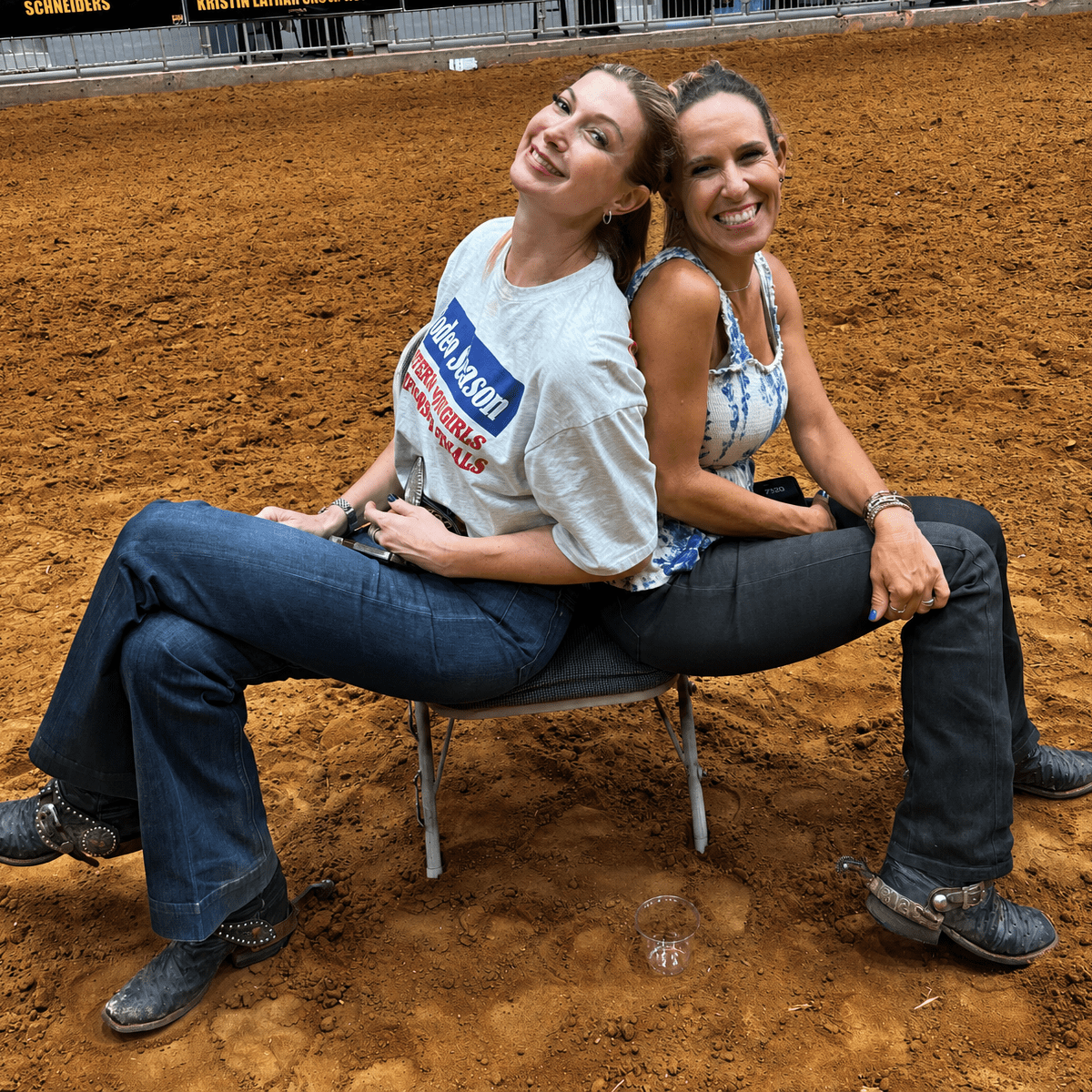
Simons ultimately won, although she readily admits Parks’ horse became ill during the season, limiting her ability to compete.
“I’m convinced that’s how I ended up in the lead, or she probably would’ve bested me,” Simons says.
Parks laughs at the admission but says competing against riders like Simons forced her to improve. “Sara made me step up my game and learn to do multiple events well. She pushed me to try harder and do more.”

Over time, competition became friendship. The two now call each other for advice and spend time together outside the arena. But, make no mistake, they still consider each other serious competition.
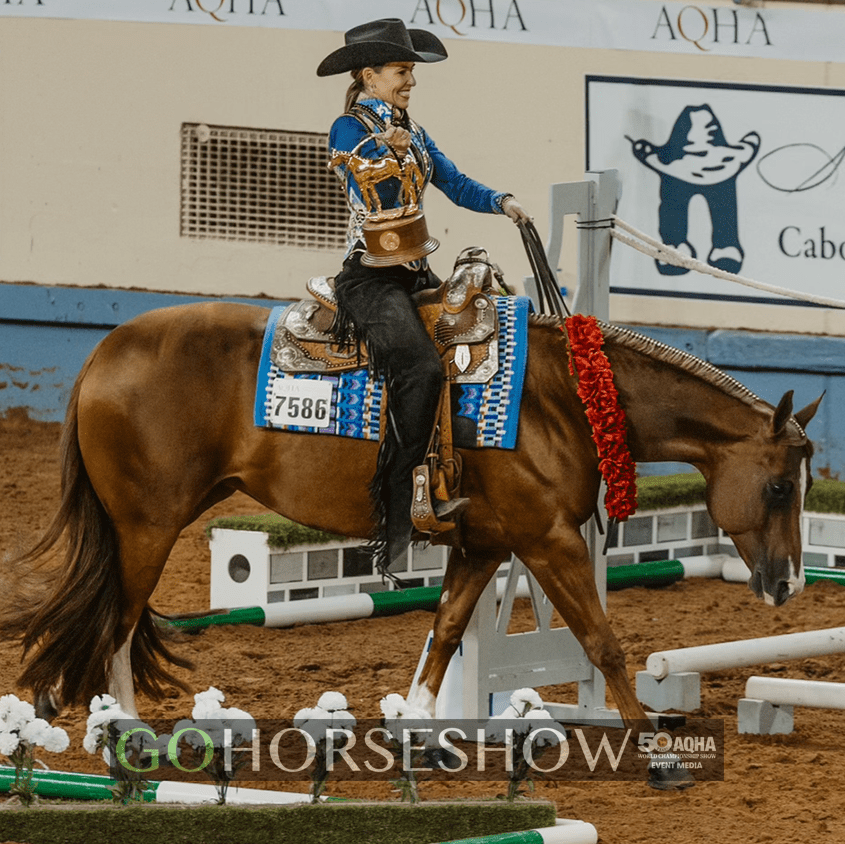
Remember Who Your Real Competition Is
Both women believe friendships survive competition more easily when riders stop treating another person as the target.
“Your biggest competition is your last personal-best go, not your best friend,” Simons says. Constantly comparing yourself to someone else adds pressure and can quickly become unhealthy.
Parks agrees that strong competitors should be viewed as examples, not enemies. “Your toughest competition is somebody you should admire and learn from. Don’t worry about beating them. Worry about how to step up your game and emulate their success.”
That mindset changes the goal. Instead of obsessing over where a friend places, riders can focus on making a cleaner transition, improving a lead change, riding a better pattern, or producing a stronger overall performance.
“Everybody wants to do well,” Parks says. “But the riders who stick with it understand that growth happens in stages. If you focus on your own progress instead of comparing yourself to everyone else, you’ll probably improve faster and enjoy the process more.”
Simons has learned the same lesson while showing multiple talented horses in the same class. “You can only do your best on each horse, in each class, on that particular day.”
Cheer for Each Other
A friend’s success does not diminish your own. Both trainers say genuine support is essential if a friendship is going to survive the show pen.
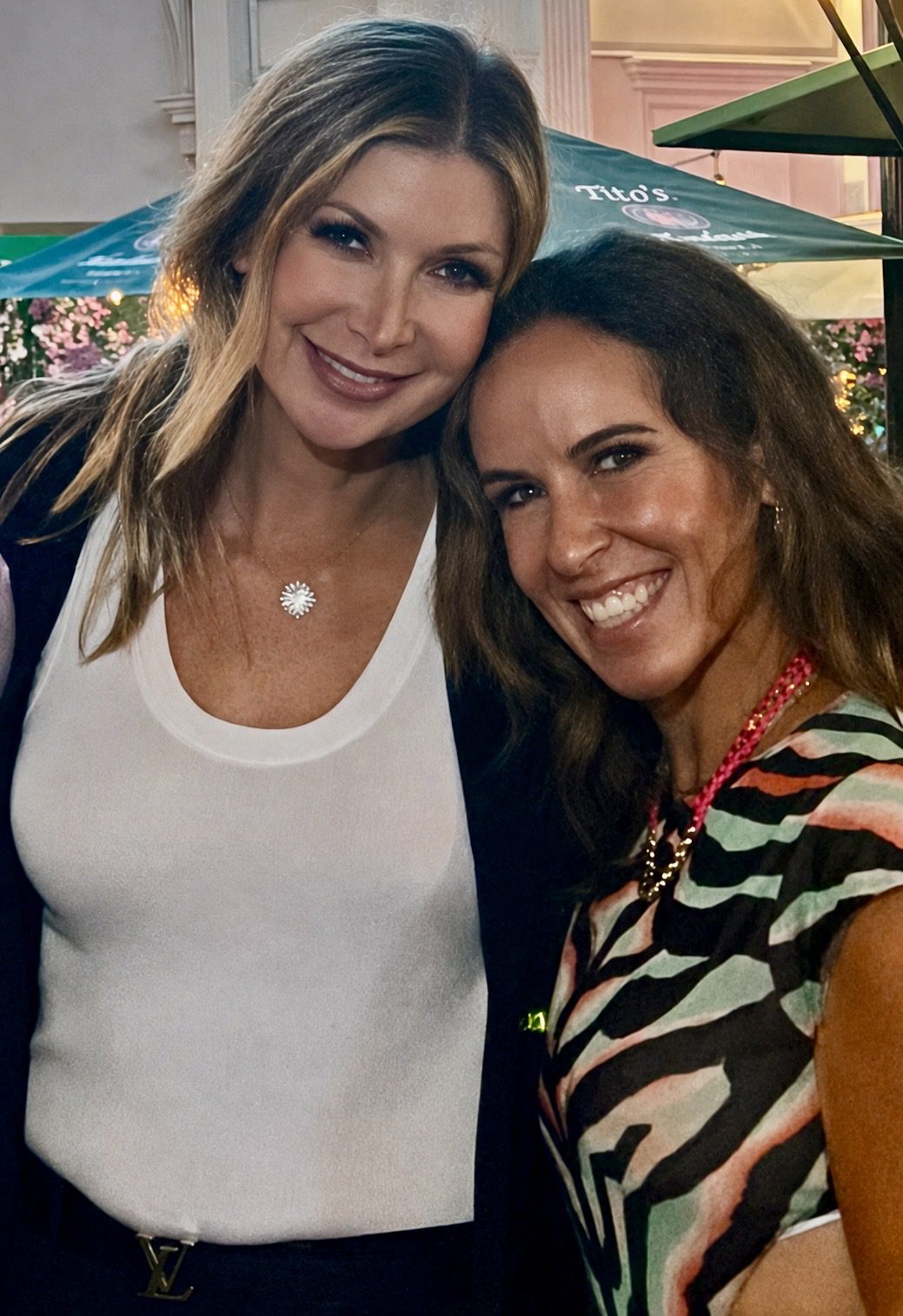 “Some days, the applause is for you, and some days you’re the one applauding,” Simons says. “Both can be great experiences.”
She makes that expectation clear in her barn. She wants clients to support one another because encouragement helps prevent resentment and keeps the experience enjoyable.
Parks says true friendship requires separating your own disappointment from someone else’s accomplishment. “It is possible to be happy for a friend while being frustrated with your own go. How would you feel if they weren’t happy for you?”
That means handling disappointment honestly without punishing the person who succeeded.
Know the Difference Between Friendship and Toxic Competition
Not every competitor wants friendship, and not every horse show friendship is genuine. Parks says being a good sport should remain the minimum standard, regardless of the relationship.
“If you want horse show friendships, find a supportive circle where there is mutual respect,” she advises. “It is better to be a good competitor than a fake friend. If you can’t show up for the people you call friends, or they can’t show up for you, then it may not be a meaningful friendship.”
Simons also stresses the importance of protecting your mindset by surrounding yourself with positive people. Gossip, scorekeeping, and resentment can turn a successful season miserable.
Embrace “Co-Opetition”
Parks and Simons practice what the business world calls “co-opetition”: competitors helping one another improve while still competing hard.
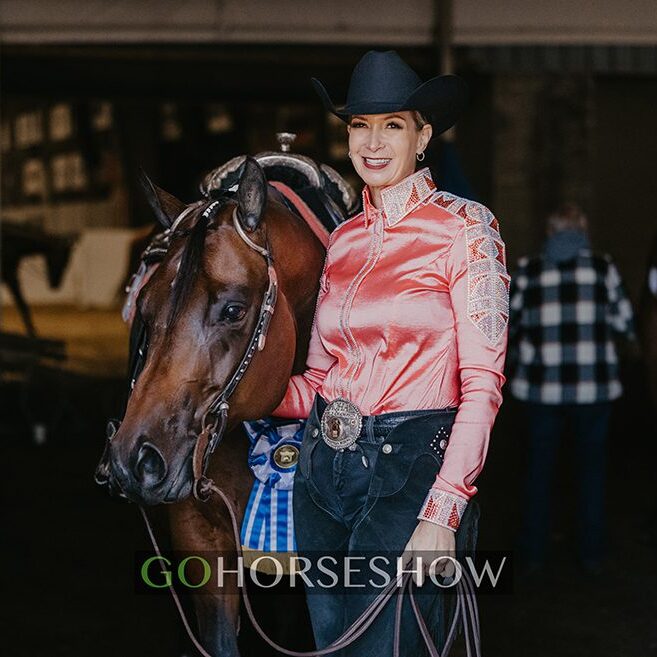
“We have different strengths, so we can share those strengths and both become better,” Parks says. “There are no real secrets beyond hard work, a willingness to learn, and the ability to adapt. Helping a friend does not disadvantage you if you remain willing to work.”
Their careers prove it. Parks bought a horse Simons had trained only months before the World Show and later won Junior Trail with that horse. Simons purchased a hunter-under-saddle horse from Parks, and her client went on to win the Level 2 Hunter Under Saddle at the Youth World.
“I couldn’t have been more proud of Carly,” Simons says. “When you support your friends and put good things into the world, good things often come back to you.”
At the end of the day, horse showing is too expensive, demanding, and time-consuming not to enjoy it. The best friendships do not require riders to become less competitive. They require perspective, generosity, and enough confidence to recognize that another person’s win is not your loss.
A strong friend can also be competition. In fact, the right rivalry may be exactly what pushes both of you to become better.