Most riders think improvement comes from doing more: more riding, more schooling, more correcting, more time in the pen. But, the riders who often place higher are not always the ones doing the most. They are the ones doing the right amount at the right time.
AQHA World and Congress Champion Trainer and AQHA Judge Jamie Hartman says the quietest advantage in the show pen often comes from communication, not force. That is where many riders get in trouble. They enter the arena with a plan, but they do not leave enough room for the horse in front of them. They school harder when the horse needs confidence. They drill longer when the horse needs a break. They mistake constant effort for effective riding.
Hartman says the best horsemen pay attention before they push. “I generally like to get to know each individual before I assess their needs but some issues that can impact a horse’s mental state jump out at me pretty quickly. I pay close attention to anything that a horse’s body might be telling me; for example, I note muscling or tight flanks that signal possible belly issues.”
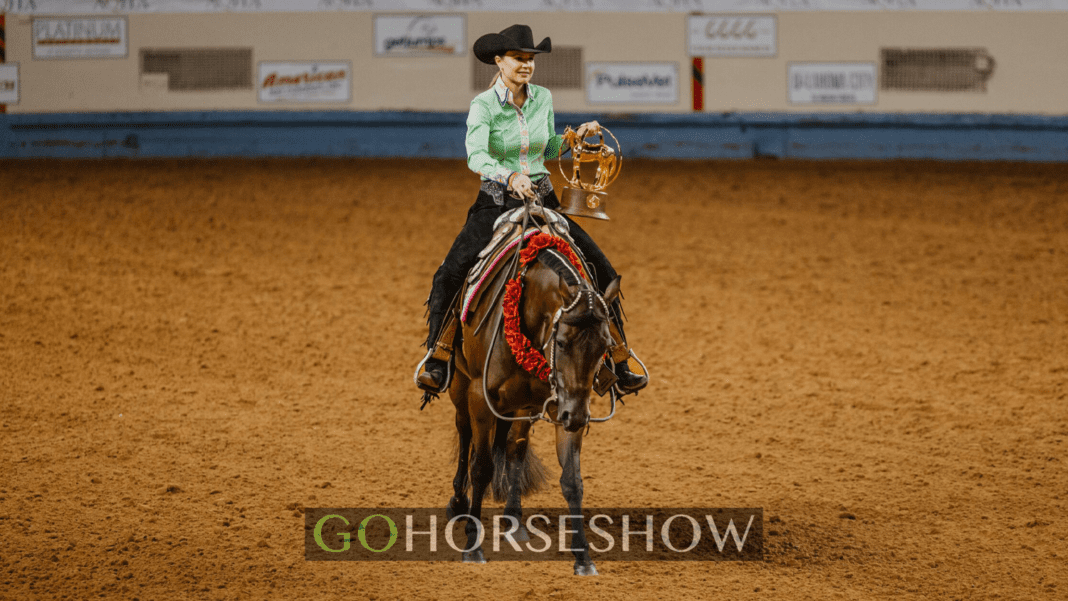
A bad attitude is not always a bad attitude. A horse that pins its ears, gets anxious, resists, or checks out, may be reacting to discomfort, confusion, tension, or too much repetition. A rider who ignores that and keeps pushing may feel productive, but they may be making the problem worse. Jamie believes in goals, preparation, and consistency.
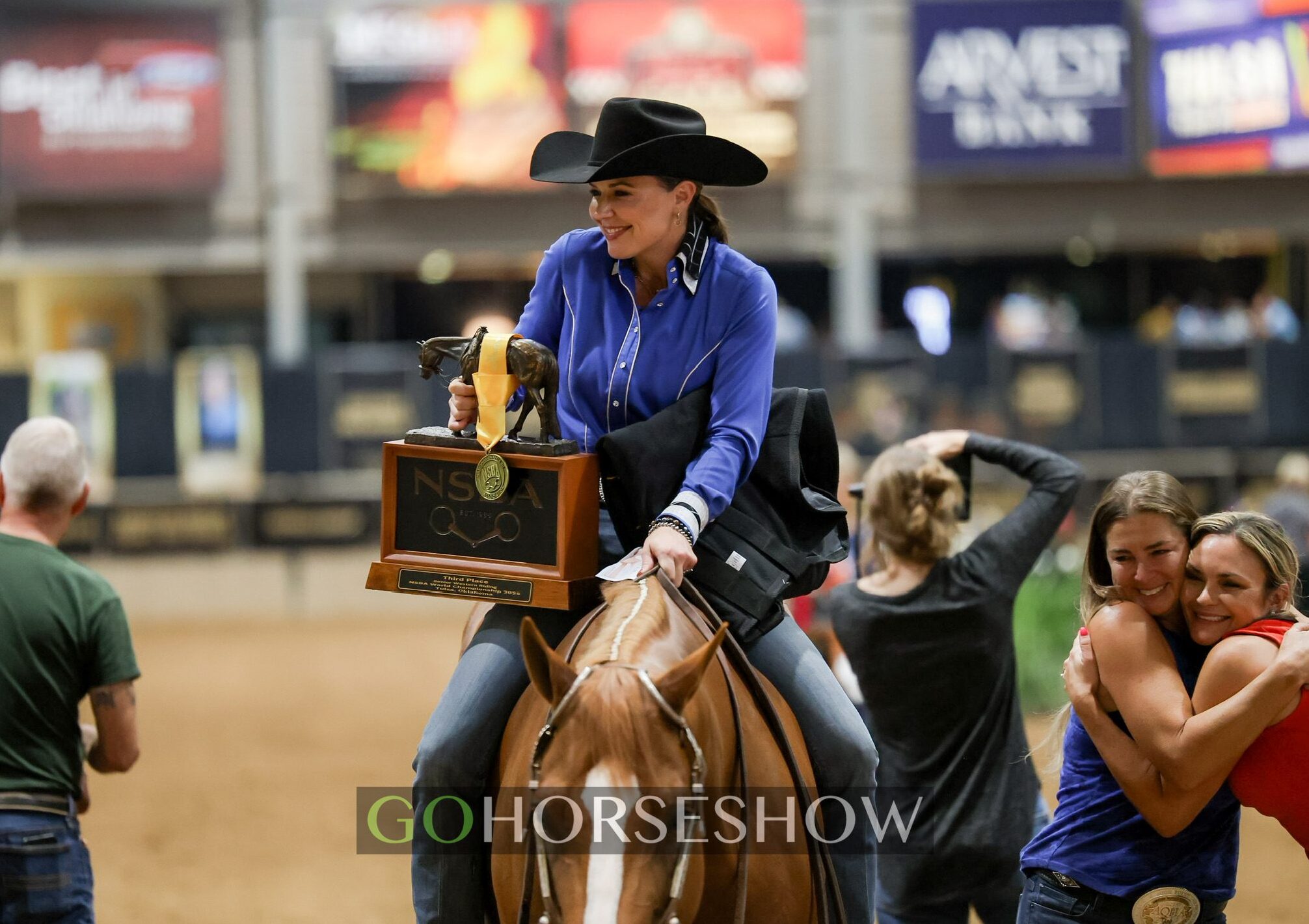
But, she also believes good work has to be measured by the horse, not the rider’s nerves. “I focus on goals depending on each individual, and then if I feel that horse has given me that and then some, I will give a reprieve,” she says. “If the horse is not attending a show soon, I will focus on build, build, build, and hopefully they will be in a space for some time off while I am gone showing or judging.”
She also believes horses benefit from a more natural setting, not just endless arena work. “Most of the time, a horse, in my opinion, develops anxiety in certain situations and muscle atrophy from practicing in confined spaces,” Hartman says. “I have a tendency, even on my show horses, to want to put them in as much of a natural setting to find their natural way of going. I might not have the perfect facilities, but I have pastures and cattle. I promise, a horse will figure out how to carry itself going up and down hills.”

That kind of thinking separates quiet confidence from overtraining. The rider who does less is not being lazy. They are choosing the work that actually matters. Hartman says her own preparation before showing is intentional, but not frantic. “I get myself ready. You will find lipstick, perfume, and gum in my toolbox. I test run my horse. Take a few deep breaths before I enter the show pen and when I’m in the show pen, I count or sing a song, whatever I can find that best suits the dance I want to have with that specific horse.”
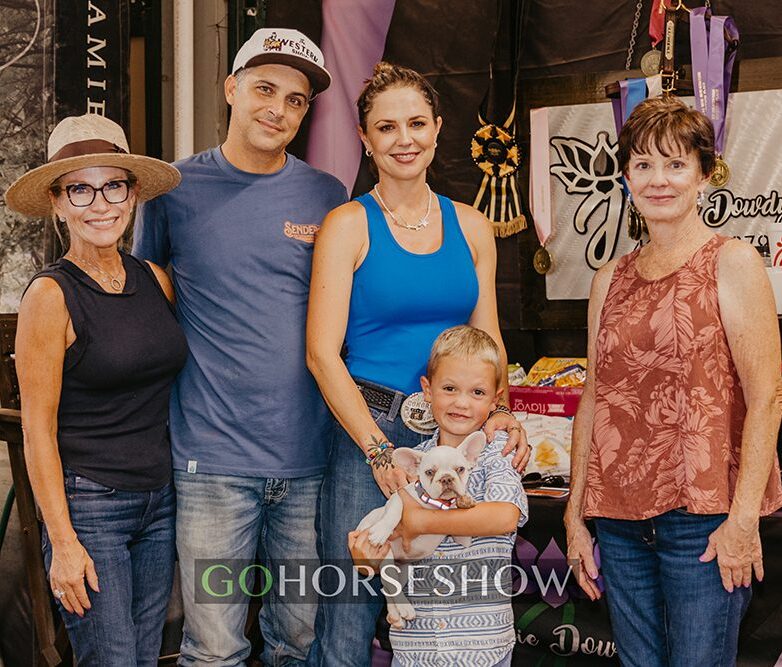
The best riders do not ride every horse the same way. Some need reassurance. Some need direct direction. Some need quiet repetition. Some need space. The mistake is assuming more pressure will fix every problem. “Most of the time, I am cultivating a young or green horse that needs reassurance or very direct direction,” she says.
Hartman also warns riders not to bury their horses under expectations the horse cannot understand. “Aim high, but accept that it is a process and don’t put too much expectation on your horse because they don’t know what that means.”
That does not mean standards disappear. As a judge, Hartman still wants correctness first. “As a judge, I want to see correct first, then quality in which you perform the correct. Sometimes, we need to help our horses and that’s okay. You don’t always know what the judge sees.”
 The riders who place higher are often the ones who can help without making the help look like a fight. They keep the horse correct without creating panic. They preserve confidence instead of sacrificing it for one maneuver. “Connection and confidence,” Hartman says. “When a horse and rider have that connection each step of the way, the confidence that a horse and rider have in one another, in whichever discipline, normally is a pretty tough partnership to beat.”
That is the quiet advantage. Less panic. Less drilling. Less ego. More timing. More feel. More listening. “Don’t get too far ahead of yourself,” Hartman says. “Be present to the task at hand.”
The riders who do less often place higher because they are not wasting effort in the wrong places. They prepare, but they do not overcook the ride. They correct, but they do not punish the try. They aim high, but they understand that confidence is built in small moments. The goal is not just to survive today’s class. It is to make the horse want to try again tomorrow.