Some riders seem to know exactly when to ask, when to wait, when to correct, and when to leave a horse alone.
They make difficult patterns look simple. They quietly reorganize a nervous horse before anyone else notices something is going wrong. They pick up the correct diagonal without looking, guide a horse through a complicated maneuver without visible effort, and appear to be one step ahead throughout the entire performance.
That ability is often described as “feel” and it is often what separates the great riders from the rest.

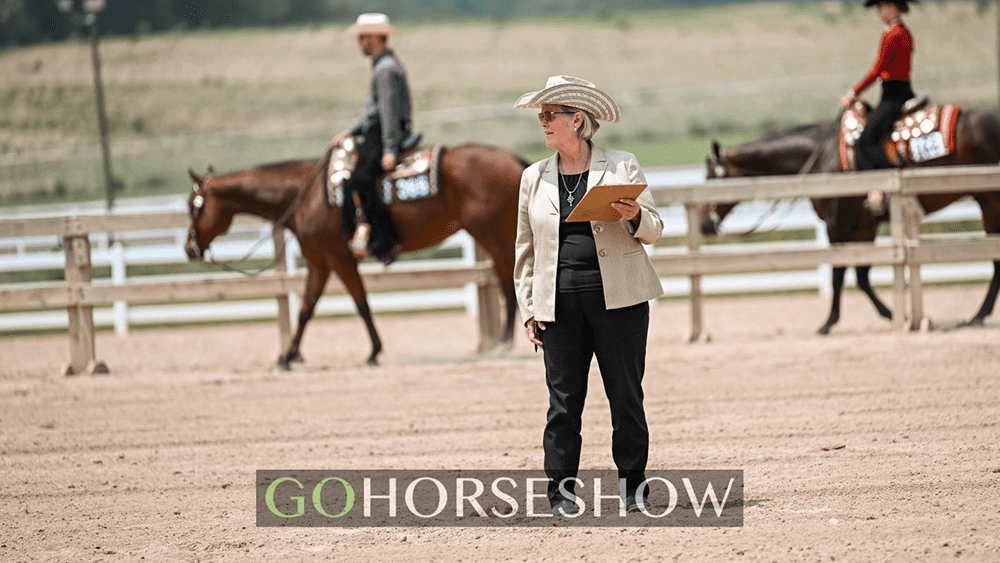
Multi-carded judge, coach, and longtime horsewoman Holly Hover believes feel is one of the defining qualities that separates a competent rider from a truly gifted one.
“Gifted riders most importantly have ‘feel’ – something that is perhaps most difficult of all to teach,” Hover explains. “Some might say impossible.”
Feel, however, is not simply a mysterious talent a rider either possesses or does not. It is the ability to recognize what a horse is doing, understand what is about to happen, and respond at precisely the right moment.
Great Riders Notice Earlier
According to Hover, gifted riders are highly observant.

“They notice the detail and have the ability to adjust their horses’ reactions,” she says.

Often, the difference between a polished performance and a disappointing one occurs several strides before the visible mistake. A horse may begin to lose rhythm, drift through a turn, shorten its stride, raise its head, or become distracted. The best riders feel that change immediately and make a subtle correction before it develops into a larger problem.
Less experienced riders tend to react after the mistake.
“Horses are not inanimate objects,” Hover explains. “They aren’t motorcycles, but living beings who react differently to different environments and factors.”
A rider cannot simply memorize a set of instructions and expect a horse to respond identically every time. Each arena, pattern, horse, and moment may require a slightly different response.
True feel comes from learning to listen to what the horse is communicating.
Diagonals Reveal More Than Riders Realize
Few skills expose a rider’s feel and timing as clearly as picking up the correct diagonal.
In Hunt Seat Equitation, the rider is expected to know where the horse’s legs are without looking down. The requirement is not arbitrary. Equitation on the flat prepares riders for work over fences, where balance and awareness of the horse’s footfalls are critical.
“When you are on the wrong diagonal, you are out of balance with the horse,” Hover says.
Missing a diagonal can severely damage an otherwise excellent score. Looking down can also create an additional penalty and disrupt the rider’s position, the horse’s frame, and the flow into the next maneuver.
“When we see a rider look down for their diagonal, it is a dead giveaway to the judge that the rider doesn’t have the feel of the horse,” Hover explains.
A correct diagonal is not merely something a rider sees. It is something the rider should feel through the horse’s shoulder, back, and rhythm.
Hover describes the shoulder movement as a piston: down, back, up, and forward. The rider must learn to recognize the entire rotation rather than waiting to visually confirm where the leg is.
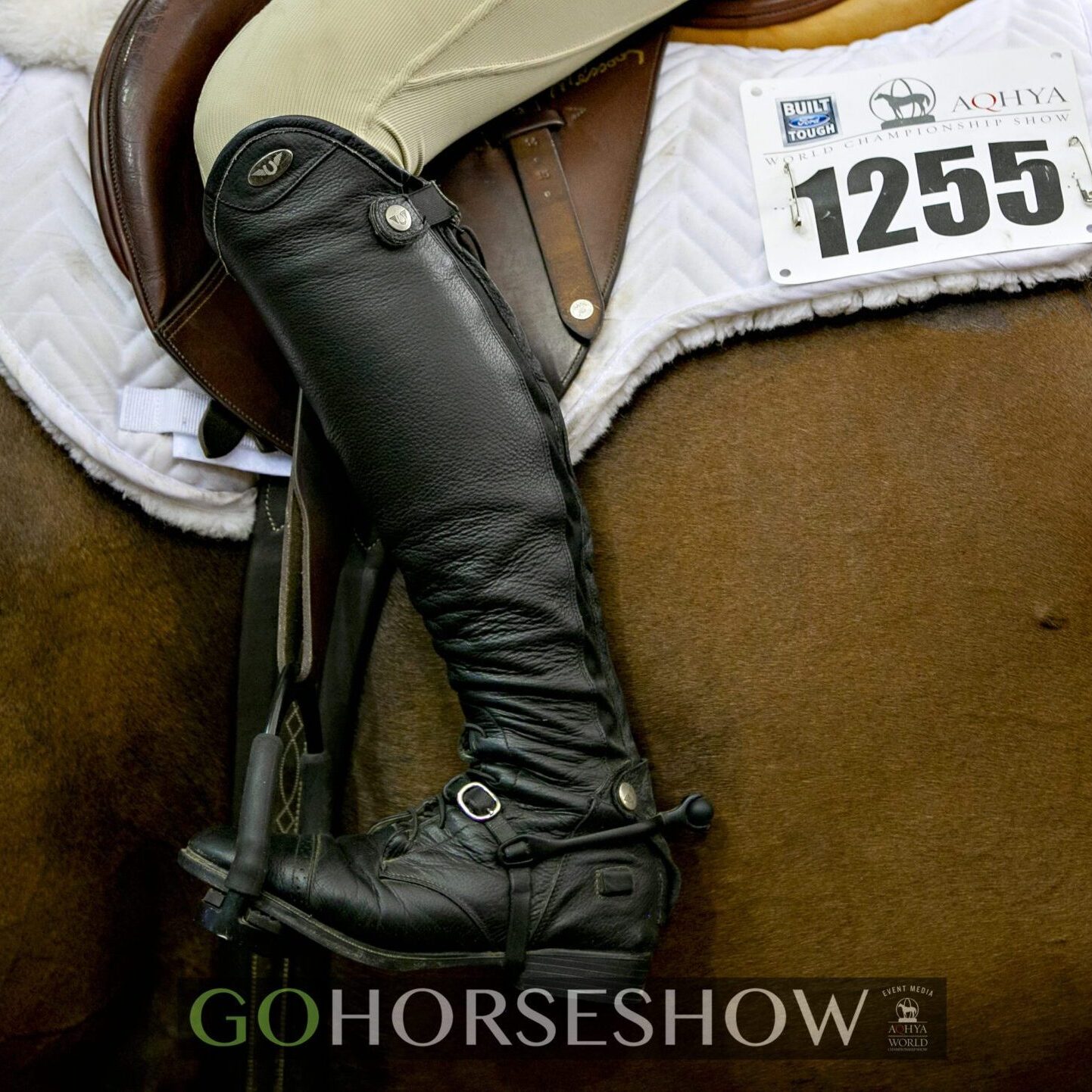
“Learning diagonals is really about learning how to feel the horse’s leg go forward and around, and then strike the ground,” she says. “A rider needs to feel the complete revolution.”
Feel is Built Through Repetition
Although some riders develop feel more naturally than others, Hover believes riders can improve it through deliberate practice.
The first step is honesty.
“You really need to humble yourself, get honest with yourself, and ride through it,” she says. “Have someone help you get this. Because once you get it, you have it.”
Hover recommends beginning at the walk and having the rider call out when each front hoof strikes the ground. Once that becomes comfortable, the rider can identify when the leg leaves the ground. The exercise teaches riders to recognize each part of the horse’s stride.
A trail pole can also help. Because the horse must lift and place each leg more deliberately over the pole, the rider can more clearly feel which leg is moving forward and which is returning to the ground.
These exercises may seem basic, but that is the point. Timing and feel are not learned by rushing through patterns. It develops when riders slow down enough to study the horse’s movement.
The goal is to replace guessing with awareness.
Confidence Comes from Preparation
Hover also identifies confidence as a hallmark of riders with great feel. Confidence changes the appearance of a performance, but more importantly, it changes how the horse responds.
A confident rider makes decisions. An uncertain rider hesitates, overcorrects, or sends conflicting signals.
That does not mean confident riders never make mistakes. It means they recover quickly because they trust their training and remain mentally engaged.
“We all have shelves that hold our mistakes, our doubts, our weak links,” Hover says. “Every time you compete, remove at least one of them, one at a time, and concentrate on not letting that issue return to your shelf.”
That mindset allows riders to improve without destroying their confidence.
Feel may never be fully teachable in the traditional sense. A trainer cannot simply explain it once and hand it to a student. Riders must develop it through observation, repetition, failure, correction, and thousands of moments spent paying attention.
The best riders are not merely giving cues. They are feeling the answer, and responding before the rest of us see the question.