A talented horse can make a rider feel as though the hard part is already handled. The movement, look, and maneuvers are there. At home, the rides feel strong, and in the warm-up pen, everything seems ready.
Then the class happens. And the score does not match the expectation.
According to AQHA Professional Horseman, trainer, and judge Kelly McDowall, the difference between a horse that is good enough and a performance that actually places, often comes down to details the rider misses or fails to reproduce under pressure.
“Confidence! We all like to judge someone who shows with confidence. Own the pattern,” McDowall says. “To me, confidence comes from preparation and attitude.”
That confidence is not a substitute for control. It is the result of it.
The Details are Costing You
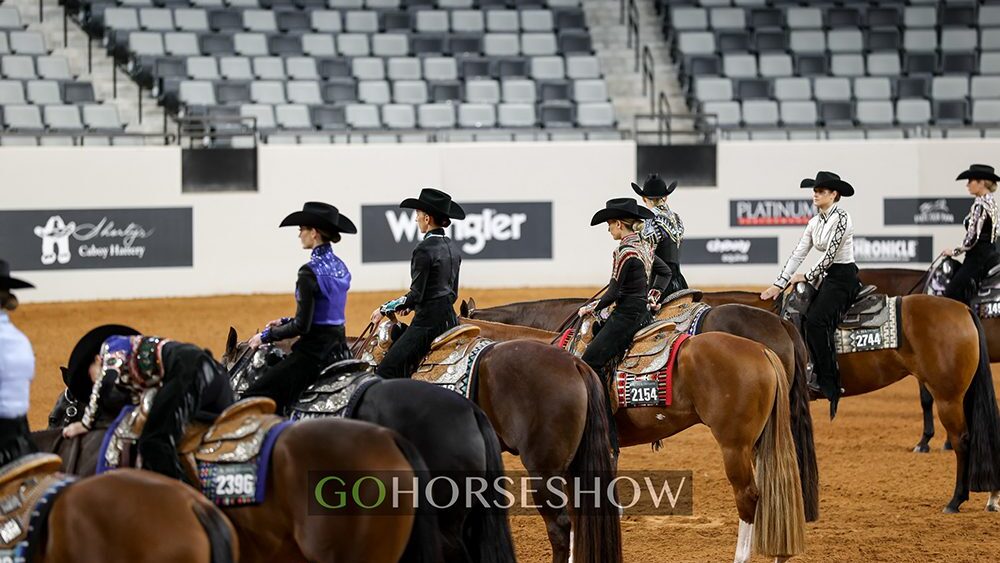
Riders often judge a performance by its biggest moments. The lead change happened. The poles stayed up. The horse did not break gait. The pattern was technically correct. But judges also evaluate the quality between those moments: the line, rhythm, rider position, connection, and how clearly the horse responds to each cue.
McDowall says polish begins with the basics. “Pay attention to the basics – shoulders back and square, elbows in, sit in the middle of the saddle, legs back. It really comes down to your ability to communicate with your horse.”

A rider can complete every maneuver and still look late, disconnected, or tentative. A hand that travels too far to find contact, a leg that fails to support the horse, or a rider who tips forward through a transition may not create one dramatic error, but together those details lower the quality of the ride.

In horsemanship, McDowall is especially direct about connection. “There should be no drape to your reins in horsemanship. If you have to pick your hand up more than a couple of inches to make contact, you need to shorten your reins,” he says.
Without connection through both the hand and leg, McDowall describes the rider as “just herding it around hoping it doesn’t mess up.” The horse may stay on course, but the performance lacks the communication and control necessary to appear polished.
The Schooling Pen is Not the Show Pen
At home, riders can repeat a maneuver, stop to correct it, or try again. In the show pen, there are no do-overs. The rider must recognize what is happening, adjust without letting it be known, and keep riding.
McDowall says, “It’s very hard to get good unless you practice a lot. Good riders also know that it is hard to practice correctly unless they have someone with a good eye for the events they are practicing for, watching and helping them.”
Practice alone is not enough. Incorrect repetition can teach the horse to anticipate, dull its response, or create tension around a particular part of the pattern. “Know your pattern and have a plan before you go to practice,” McDowall advises. “This helps eliminate the needless repetition that makes horses anticipate the maneuvers.”
Riders should not need to run the entire pattern repeatedly. Their daily program should already include the individual elements required in competition. They can learn the order mentally, walk it on foot, and school only the pieces that need attention.
Mental Mistakes Show Up Physically
Many riders think their nerves are invisible. Their horses usually prove otherwise. “I’ve never had a horse that is antsy at the cone where the rider is calm,” McDowall says. He often sees riders enter the pen bumping with their legs and hands until the horse begins to associate the cone with tension.
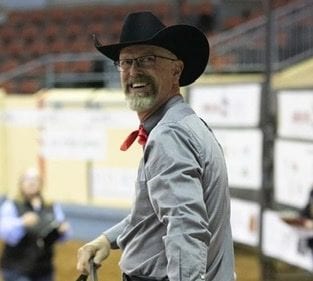
The same thing happens when riders become overly cautious. Rather than riding decisively, they begin protecting against mistakes. Their cues become delayed, inconsistent, or ineffective.
McDowall believes the final difference is mental. “If you have effectively practiced until you are 98% sure (nobody is ever 100%) you can attack the pattern and not make a mistake,” he explains. “I think the last 2% comes from your own mental state. Are you a positive thinker and okay if you mess up going for 100%, or are you going to go 75% hoping not to make a mistake?”
That 75% ride may feel safe, but it rarely looks winning. Judges can see when a rider is managing the pattern rather than really presenting it.
From a Good Ride to a Winning Ride
Bridging the gap does not necessarily mean more drilling. It means better practice, accurate feedback, and a clearer plan.
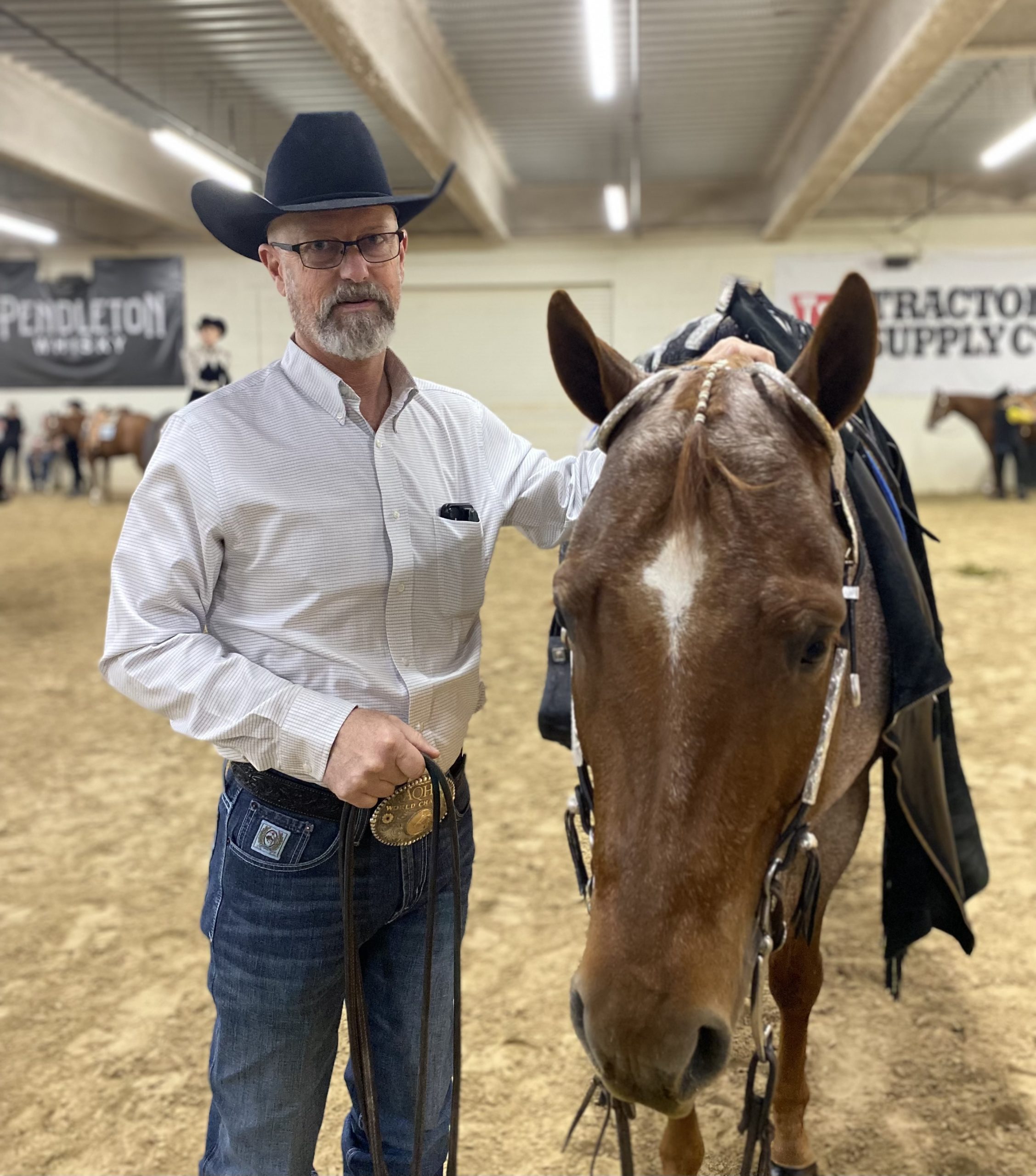
McDowall encourages riders to seek experienced help, even if they are not in full-time training. “Even if it is just day help at home or at a show, having experienced eyes on you is the most important thing, whether it’s your first time showing or you’re an experienced veteran of the class.”
It also means treating smaller shows as part of the education. Every mistake reveals something about the horse, rider, or preparation. McDowall views those mistakes as information that helps a team recognize and ride through similar situations when the stakes are higher.
A good horse gives a rider opportunity. It does not guarantee a ribbon. Winning requires the rider to create a complete picture – accurate, connected, confident, and deliberate from the first step to the last.
The horse may already be good enough. The real question is whether the ride shows it.